Blood, Sweat, and Balance Sheets: How Southern Family Businesses Pass the Torch Without Burning the House Down

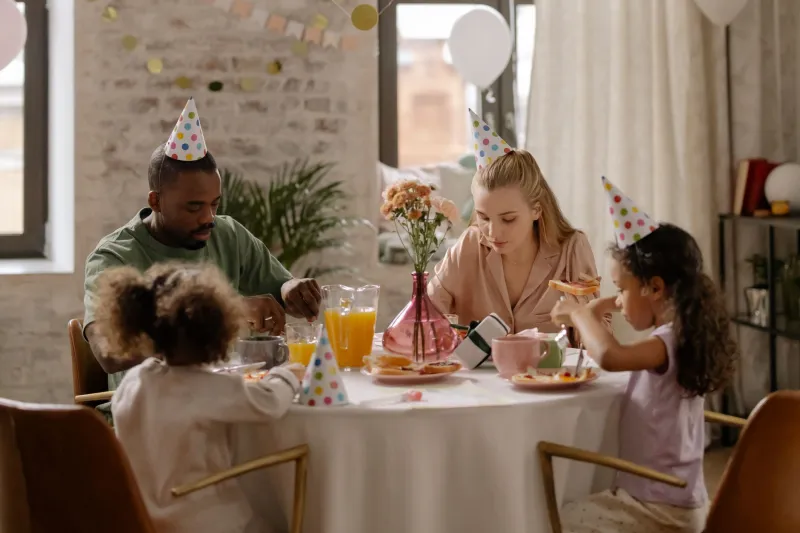
There's a particular kind of silence that falls over a Southern dinner table when somebody brings up the business. Not a bad silence, necessarily — just a loaded one. The kind where everybody's thinking about the same thing and nobody quite wants to go first. Who's taking over? Who's getting what? And more importantly, how do we get through this without somebody not speaking to somebody else for the next decade?
Family business succession in the South isn't just a financial transaction. It's a cultural event, wrapped up in decades of shared labor, unspoken expectations, and a whole lot of love that doesn't always know how to say what it means. And yet, somehow, generation after generation, these enterprises keep going — farms, furniture makers, feed stores, family restaurants — outlasting trends and recessions and the occasional blowout Thanksgiving.
So how do they do it? And what happens when the old way of doing things runs headlong into a new generation with new ideas?
The Weight of What Was Built
Ask any third-generation family business owner in the South what the hardest part of succession is, and most of them won't say money. They'll say legacy.
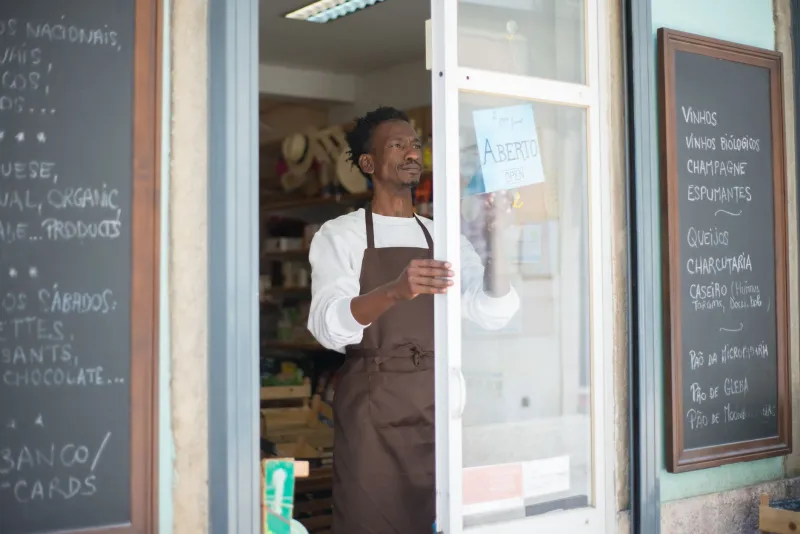
"My grandfather built this place with his bare hands," says Tommy Duvall, who runs a lumber and hardware operation in central Mississippi that his family has owned since 1962. "When my daddy handed it to me, it wasn't just a business transaction. It was like he was handing me everything he'd ever worked for. That's a lot to carry."
That weight — the emotional gravity of inherited enterprise — is something succession consultants who work specifically in the South say they encounter constantly. "There's a reverence for what the founders built that you don't always see in other parts of the country," says Charlotte Reeves, a family business advisor based in Birmingham, Alabama, who has worked with multi-generational companies across the region for over fifteen years. "It's beautiful, but it can also make it really hard for the next generation to innovate without feeling like they're disrespecting somebody's memory."
The result is a tension that's almost uniquely Southern: a deep, genuine respect for tradition sitting right next to a pressing need to adapt or die.
Siblings, Shares, and the Sunday Dinner Test
If you want to understand how Southern families handle the business conversation, you have to understand the Sunday dinner. That's where the real negotiations happen — not in a lawyer's office, not over a conference call, but over a table full of cornbread and collard greens, where everyone's roles have been established since childhood.
"In a lot of these families, the pecking order at the dinner table is basically the same as the org chart," Reeves explains with a laugh. "The oldest son assumes he's getting the business. The daughter who actually runs the books assumes she deserves it more. And the youngest is just hoping he doesn't get stuck with the debt."
Sibling dynamics in family business transitions are notoriously complicated everywhere, but in the South, they come loaded with additional cultural freight. Expectations around gender, birth order, and who "put in the work" versus who "went off to college" can make what should be a clean handoff feel more like a referendum on the entire family's history.
Loretta Pham, who co-owns a Vietnamese-Southern fusion catering company in the Nashville area with her two brothers, says the hardest conversation her family ever had wasn't about money — it was about recognition. "My brothers were the ones out front, doing the handshakes, getting the press," she says. "But I was the one who kept the whole thing running. When it came time to talk about ownership stakes, we had to reckon with what the business actually was versus what it looked like from the outside."
They worked it out, she's quick to add. But it took a mediator, a lot of uncomfortable honesty, and — yes — a very long Sunday dinner.
Tradition Versus Innovation: The Argument That Never Really Ends
Every family business that survives long enough eventually hits the same wall: the older generation built something that worked, and the younger generation can see exactly how it needs to change. The question is whether those two truths can coexist.
In the South, that tension often plays out around things like technology adoption, marketing strategy, and customer base expansion. A fourth-generation peach orchard in Georgia might have a patriarch who's skeptical of e-commerce and a granddaughter who's built a six-figure online fruit subscription service. A family-owned auto parts manufacturer in Tennessee might have a founder who swears by handshake deals and a son who wants to bring in outside investors.
"The businesses that make it through are the ones where both sides feel genuinely heard," says Reeves. "The founder has to be willing to admit that the world has changed. And the successor has to be willing to honor what made the business worth inheriting in the first place."
That's easier said than done, of course. But there's something in the Southern cultural DNA — a stubborn commitment to working things out within the family, to not airing grievances to strangers, to finding a way — that actually serves these businesses well in the long run.
Putting It in Writing (Without Making It Weird)
One of the biggest shifts happening in Southern family business succession right now is the slow, sometimes grudging acceptance of formal legal and financial planning. For a long time, many of these families operated on handshake agreements and mutual trust — which worked fine until it didn't.
"I've seen businesses that were worth millions get torn apart because there was no will, no buy-sell agreement, nothing in writing," says Marcus Thibodaux, an estate attorney in Baton Rouge who specializes in family-owned businesses. "And the tragedy is, the family didn't fall apart because they didn't love each other. They fell apart because they never had the hard conversation while they still could."
More families are now working with advisors to create formal succession plans — documents that spell out ownership transfer, management roles, and what happens in the event of a dispute. But the cultural shift required to get there is real. In a community where "we're family, we trust each other" is practically a religion, bringing in an outside advisor can feel like an accusation.
"I always tell clients, getting a succession plan isn't a sign of distrust," Thibodaux says. "It's the most loving thing you can do for your family. It means you care enough about what you built together to protect it."
The Soul of the Thing
For all the legal complexity and emotional landmines, what's striking about the Southern family businesses that thrive across generations is how fiercely they hold onto their identity. The name on the sign. The way they treat their employees. The community relationships that go back decades. These aren't just branding decisions — they're core values, passed down as deliberately as any financial asset.
Tommy Duvall puts it plainly: "People around here know our name. They knew my granddaddy. They knew my daddy. When they walk through that door, they're not just buying lumber — they're trusting us. I'm not going to be the one who messes that up."
That's the Southern family business in a nutshell, really. It's not just about the money. It's about what the money represents — the work, the relationships, the community, the story. And when you understand that, the whole complicated, loud, emotional process of passing it on starts to make a whole lot of sense.
The torch might be heavy. But down here, nobody drops it.