Matriarchs and Markets: How Southern Women Are Turning Family Ties Into Business Empires
There's a particular kind of education you don't get in any MBA program. It happens over Sunday dinner, in the back office of a family restaurant, or on the phone at 10 p.m. when your grandmother is explaining — for the third time — why you never discount your product just to please a difficult client. In the South, that education has been shaping businesswomen for generations, and right now, it's producing something extraordinary.
Southern women have always been the backbone of family enterprise. But what's shifting today is how intentional that legacy is becoming. These women aren't just inheriting businesses — they're architecting them for the long haul, building structures designed to outlast trends, recessions, and the occasional family drama.
The Table as Boardroom
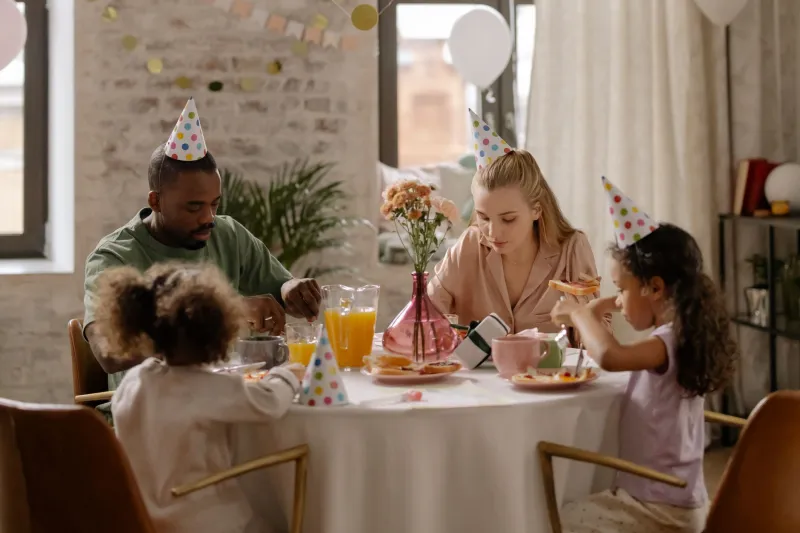
Ask Denise Tharpe, the third-generation co-owner of a textile and home goods company outside Spartanburg, South Carolina, how she learned to run the business, and she'll point to a particular chair at her grandmother's dining room table.
"Grandmama didn't call it mentorship. She called it Sunday lunch," Denise says with a laugh. "But every single week, she was teaching us something — about suppliers, about customer relationships, about how you treat the people who work for you. It wasn't formal. It was just life."
That informal-but-intentional transfer of knowledge is a hallmark of how Southern women build business dynasties. Where corporate America tends to rely on org charts and succession planning documents, many of these families operate through something more fluid — a constant, living conversation about values, strategy, and identity that weaves itself into daily life over decades.
It's a model that can look deceptively casual from the outside. But make no mistake: the women leading these enterprises are sharp, strategic, and deeply deliberate about what they're building.
Old Roots, New Branches
The businesses themselves span an enormous range. In Mississippi and Alabama, you'll find family-run event venues and wedding hospitality operations that have grown from a single barn property into multi-location enterprises with full catering arms and event coordination services. In Georgia and the Carolinas, women are stewarding agricultural businesses — peach orchards, pecan farms, specialty food producers — that have pivoted hard into e-commerce and direct-to-consumer markets without losing the heritage that makes them worth buying from in the first place.
The tension between tradition and innovation is real, and the women navigating it don't pretend otherwise.
"People want authenticity. They want to know there's a real story behind what they're buying," says Marisol Guidry, whose family runs a Cajun food products company out of Lafayette, Louisiana that her mother started in the late 1980s. "But they also want a seamless online ordering experience and fast shipping. So you hold both things at the same time. You don't apologize for the old, and you don't resist the new."
Marisol's approach — launching a subscription box service while simultaneously preserving the original recipes her mother developed — is a case study in what might be called heritage-forward innovation. The brand leans into its roots while building infrastructure that would have been unrecognizable to its founders.
The Mentorship Network Nobody Talks About
One of the most powerful and least documented forces behind these dynasties is the informal network of women who mentor each other across family lines. It doesn't have a name. There's no membership fee or LinkedIn group. But it functions with remarkable consistency across the South.
A woman who built a successful catering business in Nashville will quietly introduce her niece to a florist who expanded into event planning. A retired textile executive in North Carolina spends two mornings a week on the phone with the daughters of her former business partners, walking them through contract negotiations and vendor relationships. Church networks, Junior League chapters, and neighborhood associations all serve as connective tissue — places where knowledge moves between women who understand the particular weight of running a family business while also being expected to hold the family itself together.
"There's an assumption that because it's family, it should be easy," says Dr. Yvette Holloman, a business professor at a regional university in Tennessee who studies family enterprise in the South. "But family businesses are actually harder in a lot of ways. The personal and the professional are always tangled up together. The women I've studied have developed incredibly sophisticated emotional intelligence just to keep everything functioning."
That emotional intelligence, Dr. Holloman argues, is itself a form of capital — one that gets passed down alongside the balance sheets.
Inheritance Wisdom
The language Southern women use around business inheritance is telling. They don't just talk about passing down assets. They talk about passing down wisdom — the kind of institutional knowledge that lives in the body as much as the mind.
How to read a room full of vendors. When to hold firm and when to let something go. Which relationships are worth protecting at nearly any cost, and which ones quietly drain more than they give. How to make an employee feel valued without losing authority. How to take a risk without gambling the whole thing.
This wisdom is the real inheritance, and it's being transferred through a thousand small moments that don't show up on any estate plan.
"My mother used to say, 'The business is the easy part. People are the hard part,'" says Tamara Ellison, who runs a chain of Southern home décor boutiques originally founded by her grandmother in Virginia. "I didn't understand what she meant until I was actually running it. Now I tell my own daughter the same thing."
Tamara has started holding what she calls "kitchen table sessions" with her daughter and two nieces — structured conversations about the business that happen in an intentionally casual setting. She's essentially formalizing the informal, creating a deliberate space for the kind of knowledge transfer that her grandmother did instinctively.
Building to Last
What makes these dynasties different from simply nepotism dressed up in hospitality is accountability. The Southern women building generational enterprises aren't handing their daughters a golden ticket — they're handing them a responsibility.
The expectation is that you'll honor what came before while making it stronger. That you'll protect the relationships that were built over decades. That you'll understand the community context the business grew out of, because that community is both the customer base and the moral framework.
"We're not just building wealth," Denise Tharpe says. "We're building something that means something to the people around us. That's the whole point. If it's just money, it won't last anyway."
That's a distinctly Southern way of thinking about enterprise — rooted in place, oriented toward legacy, and held together by the kind of trust that only gets built over time. In a business world that often moves at a pace designed to outrun history, these women are doing something quietly radical.
They're playing a longer game. And they're winning it.