Rooted and Rising: How Southern Black Entrepreneurs Are Turning Community Into Currency
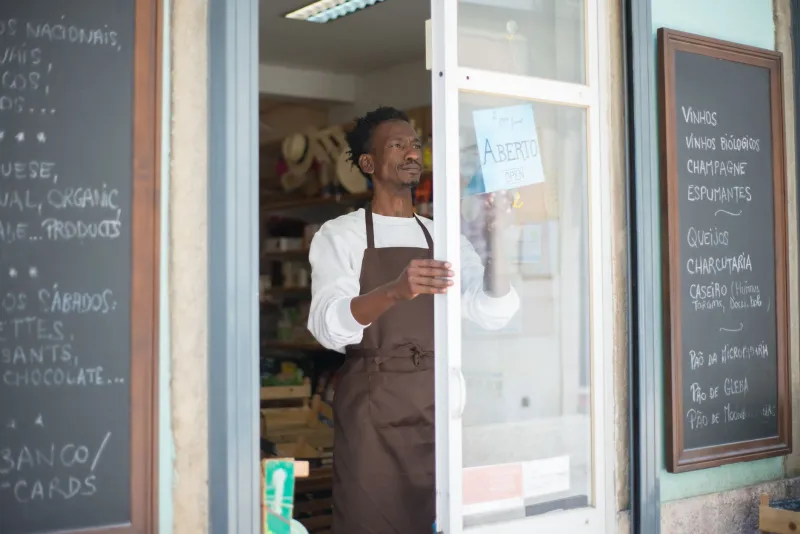
There's a particular kind of confidence that comes with opening a business on the same block where your grandmother raised your mama. It's not arrogance — it's ownership. And across the South right now, Black entrepreneurs are claiming that feeling in a big way, building enterprises that aren't just profitable but deeply, intentionally rooted in the communities that shaped them.
This isn't a trend piece. This is a reckoning. A recognition that what's been quietly growing in Southern cities and small towns alike has reached a tipping point — and the rest of the country is just now catching up to what folks down here already knew.
The Corner Store Isn't Just a Store
Walk into a Black-owned business in Jackson, Mississippi, or Savannah, Georgia, or Durham, North Carolina, and you'll notice something almost immediately: it's not transactional. The barbershop isn't just cutting hair. The bakery isn't just selling sweet potato pie. These spaces are doing the heavy lifting of community infrastructure — holding conversations, passing information, keeping culture alive.
That's always been true. What's different now is that a new generation of entrepreneurs is building on that legacy with deliberate economic strategy. They understand that the neighborhood relationship isn't just good for the soul — it's good for the bottom line. Repeat customers, word-of-mouth marketing, and genuine loyalty? That's a business model Silicon Valley spends millions trying to manufacture artificially.
"My granddaddy cut hair in this chair," says Marcus Tillman, who runs a three-chair shop in Tuscaloosa. "People don't come here just to get a fade. They come because this is where they belong. That's not something you can put a price on — but it definitely keeps the lights on."
Legacy Relationships as a Business Asset
One of the most underrated advantages Southern Black business owners hold is the depth of their community relationships — networks built not over a LinkedIn connection but over decades of shared history, shared struggle, and shared celebration.
Think about what that means practically. When a Black-owned catering company in New Orleans lands a contract, they're not just bringing food — they're bringing a network of vendors, musicians, decorators, and photographers, most of them also Black-owned, all of them connected through those same long-standing community ties. The money circulates. The wealth stays local.
Economists have a term for this: the multiplier effect. When a dollar spent at a Black-owned business is more likely to be re-spent within the same community, that dollar does more work. Studies have consistently shown that money circulates longer in tightly connected local economies — and Southern Black communities, with their deep interpersonal networks, are positioned to maximize exactly that.
From Sweet Tea to Software
It would be a mistake, though, to limit this story to brick-and-mortar tradition. The same entrepreneurial energy fueling family-owned soul food restaurants in Memphis is also powering tech startups in Atlanta's growing Black tech ecosystem, logistics companies in Charlotte, and agriculture ventures in rural Alabama.
Atlanta, in particular, has become something of a proving ground. The city's combination of HBCUs, established Black professional networks, and a culture that actively celebrates Black success has created a launchpad unlike anywhere else in the country. Startups founded by Black Southerners are raising real capital, building real products, and — crucially — hiring locally and reinvesting in their communities.
"Atlanta taught me that ambition isn't something you have to go somewhere else to find," says Deja Fontaine, who co-founded a supply chain software company after graduating from Spelman College. "The resources are here. The talent is here. The hunger is definitely here. What we're building now is the infrastructure to keep it all here."
That last part is key. Generational wealth isn't just about making money — it's about keeping it, passing it down, and building systems that outlast any single entrepreneur's career.
Cultural Pride as a Competitive Advantage
Here's something worth sitting with: Southern Black identity is a brand. And not in a shallow, marketing-speak kind of way. In a real, resonant, this-is-who-we-are kind of way.
Businesses that lean into that identity — that celebrate Southern Black food traditions, music, language, aesthetics, and values — aren't just connecting with their local customer base. They're tapping into a national and even global appetite for authentic Southern culture. The success of Black-owned hot chicken spots, Gullah Geechee food experiences, and Juneteenth-inspired product lines isn't accidental. It's the market recognizing something that these entrepreneurs have always known: Southern Black culture is extraordinary, and it's worth paying for.
The trick is making sure the people creating that culture are the ones profiting from it — a correction that's been a long time coming.
The Real Meaning of Generational Wealth
Ask most Southern Black entrepreneurs what they're really building and they won't talk about exit strategies or IPOs. They'll talk about their kids. Their nieces and nephews. The young people in their neighborhoods who need to see someone who looks like them running something, owning something, building something that lasts.
That's the deeper current running beneath all of this economic activity. Generational wealth, in the Southern Black context, isn't just a financial concept — it's a form of storytelling. It says: we were here, we built this, and we left it better than we found it.
From the beauty supply store in Baton Rouge that just celebrated its 40th anniversary to the 28-year-old launching a sustainable farming operation outside of Greenville, South Carolina, the throughline is the same. These entrepreneurs aren't just chasing profit. They're planting something.
What the South Gets Right
There's something the South understands about business that colder, more transactional parts of the country sometimes miss: relationships are the foundation. Trust is the currency. And community isn't a marketing demographic — it's the whole point.
Southern Black entrepreneurs didn't invent that philosophy, but they've perfected it. They've had to. Building wealth in communities that have historically been excluded from mainstream economic systems requires creativity, resilience, and an unshakeable belief that your people are worth investing in.
The results speak for themselves. Storefronts that have outlasted recessions. Families that have turned one successful business into two, then three. Neighborhoods where the money circulates instead of evaporating.
Sweat equity and sweet tea. Hard work and hospitality. Legacy and ambition. That's the Southern Black entrepreneurial story — and it's just getting started.


