From Mama's Kitchen to Main Street: The Southern Women Building Empires One Recipe at a Time
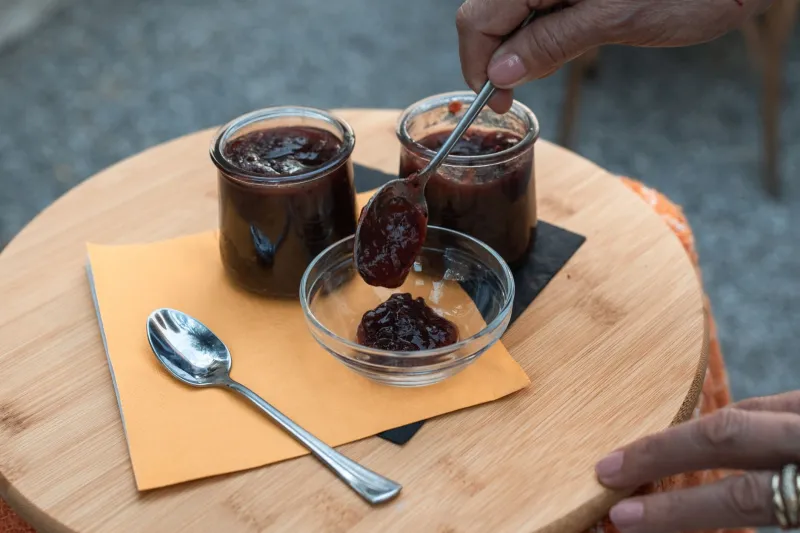
There's a jar of pepper jelly sitting on a shelf in a specialty grocery store in Nashville. The label is hand-illustrated, the font is warm and a little old-fashioned, and the ingredient list is short enough to read in five seconds flat. Behind that jar is a woman who learned to make the recipe standing on a step stool beside her grandmother in a Mississippi kitchen, sometime around 1987. Today, that same recipe is pulling in six figures a year.
This is not a rare story anymore. All across the South, women are cracking open the culinary inheritance they grew up with — the hot sauces, the biscuit mixes, the preserves, the spice blends — and discovering that the market has been hungry for exactly this kind of authenticity for years. The artisanal food industry is crowded and competitive, sure. But it turns out that "my grandmother made this" is one of the most powerful brand stories money can't actually buy.
The Recipe Card as Business Plan
When Deja Harmon launched her biscuit mix company out of Greenville, South Carolina, she didn't hire a food scientist or spend months in product development. She called her aunt.
"The recipe hadn't changed in three generations," Harmon says. "My great-grandmother made biscuits every single morning of her adult life. The only tweaking I had to do was figure out how to get that same result with a shelf-stable mix. The soul of it was already there."
Harmon's brand, which she started selling at a local farmers market in 2019, now ships to customers in 34 states. She credits the growth almost entirely to the story — not the product specs.
This points to something that food industry veterans have started to notice: in a marketplace flooded with clever branding and slick packaging, genuine provenance cuts through the noise. When a consumer reads that a recipe has been in a family for four generations and originated in a specific county in Alabama, that's not just marketing copy. That's a differentiator that a corporation can't manufacture.
Hot Sauce, Heirlooms, and Hard Work
The hot sauce category might be the most visible lane where Southern women are making serious noise. The broader hot sauce market in the US has exploded over the past decade, but a quieter revolution has been happening at the regional level, where small-batch producers are carving out loyal followings with recipes rooted in Southern tradition.
Tamara Elise, a former schoolteacher from outside of Baton Rouge, launched her hot sauce line after a co-worker begged her to bottle the sauce she'd been bringing to potlucks for years. "I thought she was being nice," Tamara laughs. "She was not being nice. She was being a future customer."
Tamara's sauce — built on a pepper mash technique her mother swore by — found its first retail home in a local butcher shop. Within a year, a regional grocery chain came calling. She now produces three varieties, each named after a woman in her family, and she has no plans to slow down.
The naming convention isn't just sentimental. It's strategic. Each product carries a small paragraph on the label about the woman it honors. Customers have told Tamara they buy the bottles partly to read the stories.
The Preserves Pipeline
If hot sauce is loud, preserves are its quieter, equally profitable cousin. The jam and jelly category has seen a surge in small-batch producers, and Southern women have been particularly well-positioned to capitalize on it. The South's long growing seasons and deep tradition of "putting up" summer harvests means that canning and preserving knowledge has been passed down with unusual consistency here.
Rachel Odom grew up spending late August weekends with her mother and grandmother processing figs, muscadines, and whatever the garden threw at them. When she started her preserves company in Savannah a few years back, she brought that same seasonal calendar with her.
"I only make what's in season in the South," she explains. "That's not a marketing gimmick — that's just how I was raised. You put up what's ripe. You don't mess with that."
The seasonality has become one of her brand's strongest selling points. Customers follow her social media closely to catch limited-run releases, and certain flavors sell out within hours of dropping online. Last year, her fig preserves — made from her grandmother's recipe, with a splash of bourbon she added herself — generated a waitlist of over 400 people.
Authenticity Is the Competitive Advantage
Food business consultants who work with small producers will tell you that the artisanal market has become brutally competitive. There are a lot of small-batch hot sauces. There are a lot of jam companies. Standing out requires something beyond a nice label and clean ingredients.
What these Southern women have — and what's genuinely difficult to replicate — is a specific kind of culinary credibility. The recipes they're working from weren't developed to be products. They were developed to feed families, to stretch a harvest, to mark holidays and celebrations. That origin story carries weight with consumers who are increasingly skeptical of manufactured authenticity.
There's also a knowledge depth that matters. These women don't just know the recipes — they know why the recipes work. They know which variety of pepper their grandmother preferred and why. They know what the biscuit dough should feel like before it's ready to cut. That level of embedded knowledge shows up in the product, and customers can taste the difference.
The New Kitchen Table
What's particularly exciting about this wave of Southern food entrepreneurs is the community forming around it. Farmers markets have become informal incubators, where women share suppliers, swap advice about commercial kitchen rentals, and help each other navigate the regulatory maze of cottage food laws and food safety certifications.
Online, communities of Southern food entrepreneurs have sprung up where members troubleshoot production challenges, celebrate each other's retail wins, and collectively push back against the assumption that regional Southern food is somehow less sophisticated than other culinary traditions.
Because here's the thing — there's nothing simple about what these women are doing. Running a food business means managing supply chains, navigating health department requirements, building a brand, handling fulfillment, and doing it all while maintaining the quality standards that made the product worth selling in the first place. The recipe might have come from grandma. The business savvy is entirely their own.
The Legacy Equation
Maybe the most meaningful part of this story is what it means for the women who came before. Recipes that might have been lost — tucked into boxes, passed down verbally, or simply forgotten as generations moved on — are now being documented, scaled, and preserved in a permanent way. A grandmother's fig preserves are now on shelves in three states. That's a kind of legacy that goes beyond the sentimental.
For Deja Harmon, the moment it all clicked wasn't when she got her first wholesale order. It was when her elderly aunt tasted the biscuit mix and said it tasted right.
"That was the only review I needed," she says. "Everything after that has just been gravy."
And in the South, they'll tell you — the gravy is always the best part.