Dirty South, Bright Future: The New Wave of Southern Rappers Writing the Region's Next Chapter
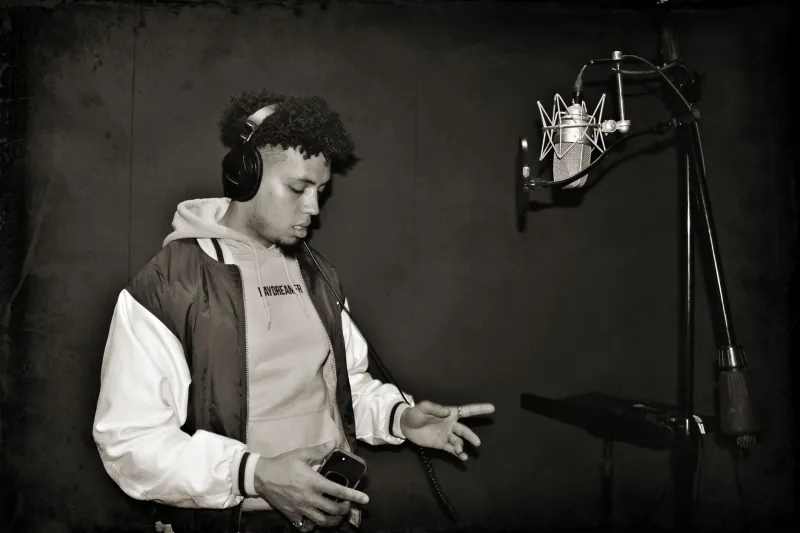
Forget everything you think you know about what Southern music is supposed to sound like. The fiddles are still here. The gospel still runs deep. The humidity, the heat, the long memory of the land — all of it still shows up in the music. But right now, the most electric thing happening in Southern sound is coming out of recording studios in Atlanta, Houston, Memphis, New Orleans, and a dozen smaller cities in between, and it's got a 808 under it.
The new wave of Southern hip-hop isn't just carrying on a tradition. It's rewriting it.
The Foundation Was Always There
To understand where Southern rap is going, you have to appreciate where it came from — and how deep those roots actually run. The Dirty South sound that exploded in the '90s and early 2000s wasn't born in a vacuum. OutKast, Goodie Mob, UGK, Three 6 Mafia, Lil Wayne, T.I. — these artists were pulling from a regional wellspring that included blues, gospel, soul, and the specific storytelling cadence of the Black South. The slow drawl, the layered metaphors, the preacher's sense of timing — it was all there.
What's happening now is a generation that grew up on all of that and on SoundCloud, YouTube, and TikTok, building music that is simultaneously hyper-local and globally connected.
"Southern rap has always been about place," says Marcus Greene, a music journalist and cultural critic based in Atlanta who's been covering the scene for over a decade. "What's different now is that artists are more explicit about claiming that place, more intentional about it. They're not just from the South — they're about the South."
More Than an Accent — It's an Aesthetic
Take a listen to what's coming out of Memphis right now and you'll hear something that could only come from that city. The production is heavy, haunted, and unhurried — a direct line from Three 6 Mafia's dungeon sound through to artists like Sza Yrn and Duke Deuce, who are pulling that dark, menacing energy into 2024 while adding new textures. Memphis rap has always had its own grammar, and the new generation speaks it fluently while adding new vocabulary.
Down in Houston, the legacy of chopped and screwed music — that syrupy, slowed-down sound pioneered by DJ Screw — continues to evolve. Artists like Don Toliver and Tobe Nwigwe are working in a distinctly Houston register, one that carries the city's specific blend of Southern soul and Texan swagger. Nwigwe in particular has become one of the most compelling voices in the conversation about what Southern identity means right now — his work weaves in African heritage, Christian faith, and Houston street life in a way that feels entirely new and entirely rooted at the same time.
In New Orleans, the bounce tradition — that frenetic, call-and-response party music with its roots in the Mardi Gras Indian tradition and the city's unique cultural geography — keeps producing artists who don't sound like anyone else on earth.
Storytelling Is the Through Line
What connects all of these regional scenes, despite their sonic differences, is storytelling. Southern rap has always been more novelistic than its coastal counterparts — more interested in character, setting, and narrative arc. That tradition is alive and well.
Artist and producer Lil Yachty, who broke through as part of the Atlanta wave, has talked openly about how growing up in the South shaped his understanding of music as communication. But it's artists like Cordae, JID, and Ari Lennox — all with Southern roots — who are really pushing the lyrical craft into new territory, writing with the kind of specificity and emotional depth that rewards repeated listening.
JID in particular has been praised by critics and peers alike for his technical precision and his willingness to write about the South without romanticizing it. His storytelling captures the tension between Southern pride and the region's complicated history — the beauty and the pain sitting right next to each other, the way they always have.
"The best Southern rap right now reads like literature," says Greene. "It's got the rhythm of a Baptist sermon and the imagery of a Flannery O'Connor story. That's not a coincidence. That's a cultural inheritance."
Fashion, Identity, and the Flag They're Flying
This movement extends well beyond music. The new wave of Southern rap is also shaping fashion, visual culture, and a broader conversation about what it means to be young and Southern right now.
Merch drops reference regional slang and local iconography. Music videos shot in small Georgia towns or along the Mississippi River reframe those landscapes as sites of beauty and significance rather than backwardness. Artists are increasingly vocal about their regional pride in interviews, social media, and public appearances — pushing back against the coastal bias that has historically treated Southern culture as secondary.
This is a generation that has watched the South get dismissed or caricatured for decades, and they're done with it. They're flying the flag of their region loudly, proudly, and on their own terms.
Houston-based stylist and creative director Amara Osei, who works with several artists in the scene, puts it plainly: "There's a confidence right now that I haven't seen before. These artists aren't trying to prove themselves to New York or L.A. They know what they have. They know where they're from. And they're making everybody else come to them."
What This Means for Southern Music — All of It
Here's the bigger picture: as this new generation of Southern rap artists gains global audiences, they're quietly expanding the definition of what Southern music is. Country music doesn't get to own that label exclusively anymore — if it ever really did. The South has always produced gospel, blues, jazz, soul, funk, and hip-hop alongside the country and rock traditions, and the cultural conversation is finally catching up to that reality.
When Beyoncé dropped Cowboy Carter and put Houston squarely at the center of a genre-defying project that drew on both country and hip-hop traditions, it felt like a culmination of something that had been building for years. The South contains multitudes. Always has.
The artists making noise right now are proof that Southern music isn't a fixed point — it's a living thing, constantly absorbing new influences while staying anchored to something real. The heat, the history, the hard-won joy, the specific weight of this particular place on earth.
It sounds like the South. It just sounds like the whole South, finally.
And y'all, it sounds good.